
 admin
admin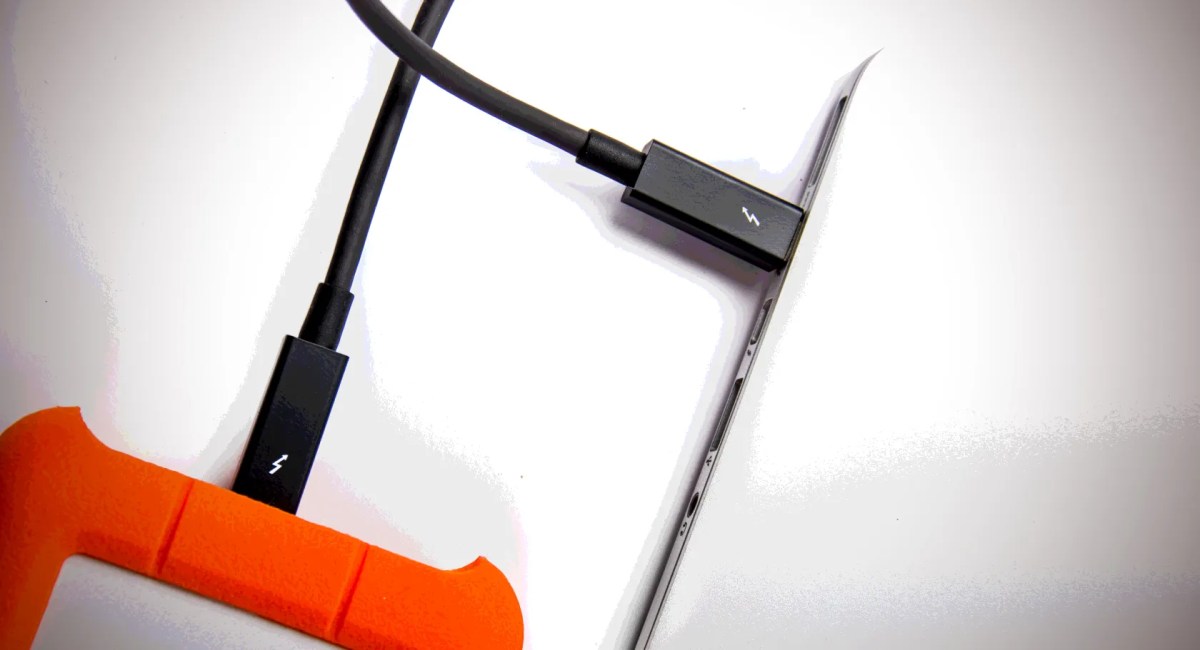
Ever wondered how a tiny port on your Dell XPS 13 can do so much? Let’s dive into how Thunderbolt 4 technology works on Dell XPS 13—unlocking blazing speeds, seamless connectivity, and unmatched versatility in one sleek ultrabook.
How Thunderbolt 4 Technology Works on Dell XPS 13: The Core Architecture

At the heart of the Dell XPS 13’s connectivity lies Thunderbolt 4, a revolutionary interface developed by Intel in collaboration with Apple. This technology isn’t just about speed—it’s a unified solution that combines data, video, and power delivery over a single USB-C port. But how exactly does it work under the hood?
The Role of the Intel Titan Ridge Controller
The Dell XPS 13 integrates the Intel Titan Ridge (or later JHL8540) Thunderbolt controller, which acts as the central hub managing all Thunderbolt 4 functions. This chip decodes and routes signals from the CPU, GPU, and PCIe lanes to external devices with minimal latency.
- Manages up to 40 Gbps bidirectional bandwidth
- Enables PCIe tunneling for external SSDs and GPUs
- Supports DisplayPort 1.4 for high-resolution monitors
This controller ensures that every Thunderbolt 4 feature—from daisy-chaining monitors to charging the laptop—is executed with precision and reliability.
Integration with the CPU and PCIe Lanes
Thunderbolt 4 leverages direct connections to the CPU via PCIe 3.0 or PCIe 4.0 lanes (depending on the processor generation). In the XPS 13, which typically uses Intel’s 11th Gen or newer Core i5/i7 processors, this integration allows for low-latency communication between the system and peripherals.
- Uses 4 PCIe lanes for data transfer (up to 32 Gbps for storage)
- Shares bandwidth with integrated graphics for video output
- Ensures minimal CPU overhead through dedicated routing
This tight coupling with the CPU architecture is what enables the XPS 13 to maintain high performance even when multiple Thunderbolt devices are active.
How Thunderbolt 4 technology works on Dell XPS 13 – How Thunderbolt 4 technology works on Dell XPS 13 menjadi aspek penting yang dibahas di sini.
“Thunderbolt 4 isn’t just faster USB—it’s a full-featured I/O technology that redefines what a port can do.” — Intel Corporation
How Thunderbolt 4 Technology Works on Dell XPS 13: Speed and Bandwidth Breakdown
One of the most touted features of Thunderbolt 4 is its 40 Gbps maximum throughput. But what does that mean in real-world usage on the Dell XPS 13? Let’s break down how this speed is allocated and utilized across different device types.
Data Transfer: From SSDs to External Drives
When connected to a Thunderbolt 4-compatible external SSD, the XPS 13 can achieve read/write speeds exceeding 2,800 MB/s. This is made possible through PCIe tunneling, where the external drive accesses the system’s PCIe bus directly.
- Supports NVMe-based external SSDs with near-internal-drive performance
- Backward compatible with USB 3.2 and Thunderbolt 3 devices
- Enables rapid file transfers—ideal for video editors and photographers
For example, transferring a 4K movie file (around 20 GB) takes less than 10 seconds, making the XPS 13 a powerhouse for mobile creatives.
Video Output: Dual 4K or Single 8K Display Support
Thunderbolt 4 on the XPS 13 supports DisplayPort 1.4 with DSC (Display Stream Compression), enabling high-resolution output without sacrificing quality.
- Drive dual 4K @ 60Hz monitors simultaneously
- Support single 8K @ 30Hz display (with compatible monitor)
- Daisy-chain up to two Thunderbolt displays using one port
This capability transforms the XPS 13 from a portable laptop into a full desktop replacement when docked at a workstation.
How Thunderbolt 4 Technology Works on Dell XPS 13: Power Delivery and Charging
Beyond data and video, Thunderbolt 4 on the XPS 13 delivers up to 100 watts of power—enough to fully charge the laptop while running demanding applications.
How Thunderbolt 4 technology works on Dell XPS 13 – How Thunderbolt 4 technology works on Dell XPS 13 menjadi aspek penting yang dibahas di sini.
Single-Cable Docking Solution
With a Thunderbolt 4 dock, users can connect power, multiple monitors, Ethernet, and USB devices using just one cable. The XPS 13 automatically negotiates power delivery and allocates bandwidth dynamically.
- Charge the laptop while driving external GPUs or storage
- Eliminate cable clutter with a minimalist desk setup
- Resume work instantly with plug-and-play docking
This is particularly useful for professionals who switch between mobile and desk environments frequently.
Power Efficiency and Battery Management
The XPS 13’s firmware intelligently manages power flow to prevent overheating and extend battery lifespan. When connected to a high-wattage charger via Thunderbolt 4, the system prioritizes powering the CPU and GPU directly while topping up the battery at a controlled rate.
- Supports adaptive charging to reduce battery wear
- Throttles power draw when system temperature rises
- Allows passthrough charging for other USB-C devices
This smart power management ensures longevity and stability, especially during long work sessions.
How Thunderbolt 4 Technology Works on Dell XPS 13: Security Features
Thunderbolt 4 isn’t just about performance—it also introduces robust security protocols to protect against hardware-level attacks.
IOMMU-Based Device Isolation
The XPS 13 uses Input-Output Memory Management Unit (IOMMU) to isolate Thunderbolt devices from direct memory access (DMA). This prevents malicious devices from reading sensitive data from RAM.
How Thunderbolt 4 technology works on Dell XPS 13 – How Thunderbolt 4 technology works on Dell XPS 13 menjadi aspek penting yang dibahas di sini.
- Enables Kernel DMA Protection on Windows 10/11
- Requires user authorization for new Thunderbolt devices
- Blocks unauthorized PCIe tunneling attempts
This feature is critical for enterprise users handling confidential data.
Firmware Authentication and Secure Enclaves
Each Thunderbolt 4 controller in the XPS 13 undergoes firmware verification during boot. The system checks digital signatures to ensure no tampering has occurred.
- Prevents firmware spoofing attacks
- Integrates with Dell’s BIOS-level security suite
- Supports Intel VT-d for virtualized device isolation
These layers of protection make Thunderbolt 4 one of the most secure high-speed interfaces available today.
How Thunderbolt 4 Technology Works on Dell XPS 13: Docking and Peripheral Ecosystem
The true power of Thunderbolt 4 shines when integrated into a broader ecosystem of peripherals and docking stations.
Compatibility with Thunderbolt Docks
Dell offers its own Thunderbolt Dock (e.g., WD19TB), which provides up to three DisplayPort outputs, Gigabit Ethernet, and multiple USB-A/USB-C ports—all powered through a single cable to the XPS 13.
- Supports plug-and-play setup with automatic display detection
- Enables LAN connectivity for stable network performance
- Allows charging of smartphones and tablets via USB ports
Third-party docks from CalDigit, Belkin, and Anker are also fully compatible, giving users flexibility in building their ideal workspace.
How Thunderbolt 4 technology works on Dell XPS 13 – How Thunderbolt 4 technology works on Dell XPS 13 menjadi aspek penting yang dibahas di sini.
External GPU Support for Enhanced Performance
While the XPS 13 isn’t designed for gaming, Thunderbolt 4 enables connection to external GPUs (eGPUs) for tasks like 3D rendering, video editing, or light gaming.
- Supports eGPUs like Razer Core X or Sonnet eGFX Breakaway Box
- Delivers near-native PCIe bandwidth for GPU performance
- Enables use of discrete graphics in a portable form factor
For creative professionals, this turns the XPS 13 into a hybrid machine capable of handling GPU-intensive workflows on the go.
How Thunderbolt 4 Technology Works on Dell XPS 13: Real-World Use Cases
Understanding the technical specs is one thing, but how does Thunderbolt 4 actually improve daily productivity on the XPS 13?
For Video Editors and Content Creators
Video professionals benefit immensely from Thunderbolt 4’s ability to connect high-speed storage and multiple monitors. A DaVinci Resolve editor can work directly from a Thunderbolt SSD while previewing on a calibrated 4K display—all while the laptop charges.
- Real-time 4K timeline scrubbing without proxy files
- Fast export times to external RAID arrays
- Color-accurate output via Thunderbolt-connected reference monitors
This workflow minimizes bottlenecks and maximizes efficiency.
For Business Professionals and Remote Workers
Remote workers use Thunderbolt 4 to create a seamless hybrid office setup. Plugging in a single cable connects dual monitors, a mechanical keyboard, a webcam, and a headset—transforming the XPS 13 into a full desktop experience.
How Thunderbolt 4 technology works on Dell XPS 13 – How Thunderbolt 4 technology works on Dell XPS 13 menjadi aspek penting yang dibahas di sini.
- Reduces setup time in home offices or co-working spaces
- Improves ergonomics with external displays at eye level
- Enables secure access to corporate networks via Thunderbolt dock with smart card readers
The simplicity and reliability of this setup enhance both comfort and productivity.
How Thunderbolt 4 Technology Works on Dell XPS 13: Troubleshooting and Optimization Tips
Even with its advanced design, users may encounter issues with Thunderbolt 4 on the XPS 13. Here’s how to optimize performance and resolve common problems.
Updating Thunderbolt Firmware and Drivers
Dell regularly releases firmware updates for the Thunderbolt controller to improve compatibility and fix bugs. Users should check the Dell Support website or use the Dell Update app to ensure their system is current.
- Visit Dell Support to download the latest Thunderbolt firmware
- Ensure Intel Thunderbolt drivers are up to date via Windows Update or Dell Command | Update
- Restart the laptop after firmware updates to apply changes
Outdated firmware can cause devices to disconnect unexpectedly or fail to charge properly.
Managing Bandwidth Allocation
When multiple high-bandwidth devices are connected, Thunderbolt 4 dynamically allocates resources. However, users can optimize performance by prioritizing critical devices.
- Connect storage devices directly to the laptop instead of through a dock when possible
- Avoid daisy-chaining more than two high-resolution displays
- Use USB-A ports for low-bandwidth peripherals to free up Thunderbolt bandwidth
Monitoring device manager and Thunderbolt control center helps identify bandwidth bottlenecks.
How Thunderbolt 4 technology works on Dell XPS 13 – How Thunderbolt 4 technology works on Dell XPS 13 menjadi aspek penting yang dibahas di sini.
What is the maximum resolution supported by Thunderbolt 4 on the Dell XPS 13?
The Dell XPS 13 supports up to dual 4K @ 60Hz displays or a single 8K @ 30Hz monitor via Thunderbolt 4, using DisplayPort 1.4 with DSC compression.
Can I charge my Dell XPS 13 with any USB-C charger?
Yes, but only Thunderbolt 4-certified chargers deliver the full 100W power delivery needed for optimal charging and performance under load. Non-Thunderbolt USB-C chargers may charge slower or not at all under heavy usage.
Is Thunderbolt 4 backward compatible with older devices?
Absolutely. Thunderbolt 4 ports on the XPS 13 are fully backward compatible with Thunderbolt 3, USB4, USB 3.2, and USB 2.0 devices, though performance will be limited to the lowest common standard.
How Thunderbolt 4 technology works on Dell XPS 13 – How Thunderbolt 4 technology works on Dell XPS 13 menjadi aspek penting yang dibahas di sini.
Why isn’t my Thunderbolt dock being recognized?
This could be due to outdated firmware, a faulty cable, or BIOS settings. Ensure Thunderbolt is enabled in BIOS, update firmware via Dell Support, and try a certified Thunderbolt 4 cable.
Can I use an external GPU with the Dell XPS 13?
Yes, the XPS 13 supports external GPUs via Thunderbolt 4, allowing for enhanced graphics performance in applications like video editing, 3D modeling, and light gaming.
The integration of Thunderbolt 4 in the Dell XPS 13 represents a pinnacle of modern laptop connectivity. From its high-speed data transfer and dual 4K display support to robust security and single-cable docking, this technology transforms the XPS 13 into a versatile powerhouse. Whether you’re a creative professional, a remote worker, or a tech enthusiast, understanding how Thunderbolt 4 technology works on Dell XPS 13 empowers you to unlock its full potential. With proper setup and optimization, this ultrabook becomes not just a portable machine, but a complete workstation in your pocket.
How Thunderbolt 4 technology works on Dell XPS 13 – How Thunderbolt 4 technology works on Dell XPS 13 menjadi aspek penting yang dibahas di sini.
Further Reading: