 admin
admin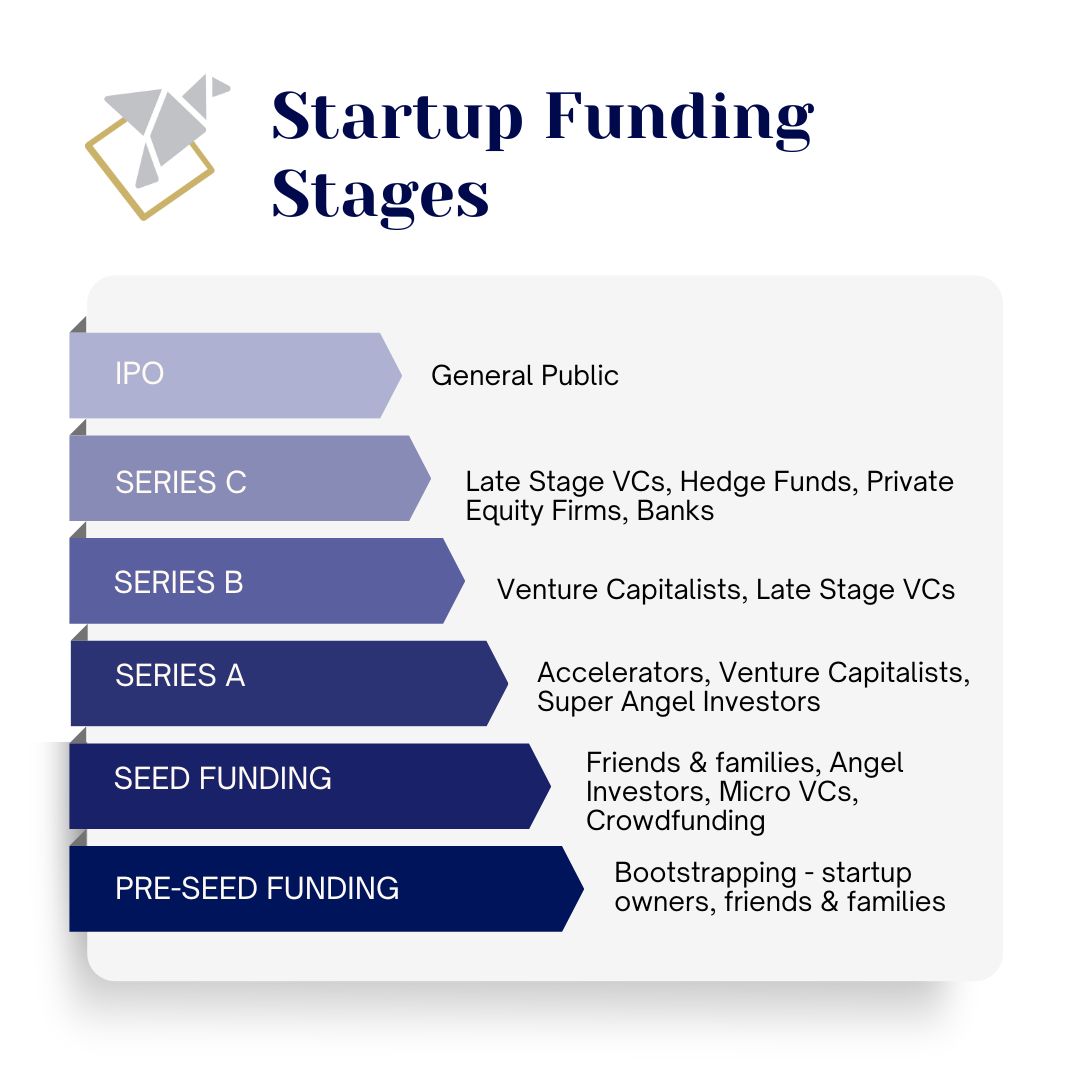
Kicking off a startup is thrilling, but without smart early-stage funding strategies, even the best ideas can stall. From bootstrapping to angel investors, knowing your options is half the battle won.
Understanding Early-Stage Funding: The Foundation

Before diving into specific early-stage funding strategies, it’s crucial to understand what early-stage funding actually means. This phase typically covers the journey from ideation to product-market fit, where startups seek capital to validate their concept, build a prototype, and gain initial traction.
What Defines the Early-Stage?
The early-stage of a startup usually includes three key phases: pre-seed, seed, and sometimes Series A. During these stages, founders are focused on proving their business model, building a minimum viable product (MVP), and acquiring early customers. Funding at this level is often smaller in size but critical in determining long-term viability.
- Pre-seed: Concept validation and team building
- Seed: MVP development and market testing
- Series A: Scaling operations and growth planning
According to CB Insights, over 30% of startups fail due to running out of cash—highlighting the importance of strategic early-stage funding strategies.
Why Early-Stage Funding Matters
Early capital isn’t just about survival—it’s about acceleration. With the right funding, startups can hire key talent, invest in technology, and outpace competitors. More importantly, early funding often comes with mentorship, network access, and credibility that money alone can’t buy.
“Funding is not the goal; building a sustainable business is. But smart early-stage funding strategies can be the rocket fuel you need.” — Naval Ravikant, Founder of AngelList
Bootstrapping: Fund Yourself with Early-Stage Funding Strategies
One of the most underrated yet powerful early-stage funding strategies is bootstrapping—funding your startup with personal savings or revenue from early sales. It’s a path chosen by many iconic companies, including Mailchimp and Basecamp.
Pros of Bootstrapping
Bootstrapping gives founders complete control over their company. There’s no pressure from investors to scale prematurely or pivot based on external demands. You make the decisions, set the pace, and retain full equity.
- Full ownership and control
- No dilution of equity
- Forces lean, efficient operations
Companies like GitHub started as bootstrapped projects before attracting major investment, proving that organic growth can build immense value.
Challenges of Bootstrapping
The biggest drawback? Limited resources. Without external capital, growth can be slow. You may have to delay hiring, limit marketing spend, or forgo opportunities that require upfront investment. Cash flow management becomes critical.
As noted by Entrepreneur.com, bootstrapped startups often grow more slowly but tend to be more resilient in the long run due to disciplined financial habits.
“Bootstrapping forces you to focus on revenue from day one. That’s a superpower.” — Jason Fried, CEO of Basecamp
Leveraging Friends and Family: A Personal Approach to Early-Stage Funding Strategies
One of the earliest and most accessible early-stage funding strategies is raising money from friends and family. This informal funding round can provide the initial capital needed to build a prototype or launch a pilot.
How to Structure Friends and Family Funding
Even though these are personal relationships, treating the investment professionally is essential. Use a simple convertible note or SAFE (Simple Agreement for Future Equity) to formalize the arrangement. This protects both parties and sets clear expectations.
- Draft a legal agreement
- Set clear repayment or conversion terms
- Communicate risks transparently
The U.S. Small Business Administration (SBA) recommends documenting all transactions, even among relatives, to avoid future disputes.
Risks and Rewards
The main risk is strained relationships if the business fails. To mitigate this, only accept money from people who can afford to lose it. On the flip side, friends and family often offer flexible terms and emotional support, which can be invaluable during tough times.
“I raised $50K from my uncle. He didn’t ask for a board seat—just a monthly update. That trust gave me breathing room to build.” — Anonymous Founder
Angel Investors: Strategic Early-Stage Funding Strategies
Angel investors are high-net-worth individuals who provide capital to startups in exchange for equity or convertible debt. They are a cornerstone of many early-stage funding strategies, especially during the seed phase.
Finding the Right Angel Investor
Not all angels are the same. Look for investors with industry experience, a strong network, and a track record of supporting founders. Platforms like AngelList and Gust can help you connect with active angels.
- Attend pitch events and demo days
- Leverage LinkedIn to identify potential angels
- Ask for warm introductions through mutual contacts
According to the Kauffman Foundation, angel investors fund over 60,000 startups annually in the U.S. alone, injecting billions into the early-stage ecosystem.
What Angels Look For
Angels invest in people as much as ideas. They want to see a strong founding team, a clear market opportunity, and a path to scalability. A well-prepared pitch deck, financial projections, and a compelling narrative are essential.
- Demonstrate traction (even early metrics)
- Show domain expertise
- Highlight defensibility (IP, network effects, etc.)
“I don’t invest in ideas. I invest in founders who can execute.” — Chris Sacca, Founder of Lowercase Capital
Venture Capital at the Seed Stage: Bold Early-Stage Funding Strategies
While venture capital (VC) is often associated with later stages, many VC firms specialize in seed and pre-seed investments. These early-stage funding strategies can provide substantial capital and strategic support.
Choosing the Right VC Partner
Not all VCs are built the same. Some focus on specific industries (e.g., fintech, healthtech), while others target geographic regions. Research firms like Sequoia Capital or Andreessen Horowitz that have a history of backing early-stage winners.
- Check their portfolio for relevant startups
- Assess their value-add beyond capital (mentorship, hiring, PR)
- Understand their typical check size and ownership expectations
VCs often take 15–25% equity in seed rounds, so founders must weigh the trade-offs carefully.
The Due Diligence Process
VCs conduct rigorous due diligence before investing. Be prepared to share detailed financials, cap tables, customer contracts, and technical documentation. Transparency builds trust.
- Organize all legal and financial records
- Prepare a data room for investor access
- Anticipate tough questions about competition and unit economics
“VC funding is a partnership. Choose investors you’d want to work with for the next decade.” — Marc Andreessen, Co-Founder of Andreessen Horowitz
Crowdfunding: Innovative Early-Stage Funding Strategies
Crowdfunding has emerged as a creative and community-driven approach to early-stage funding strategies. Platforms like Kickstarter, Indiegogo, and SeedInvest allow founders to raise money directly from customers and supporters.
Reward-Based vs. Equity Crowdfunding
Reward-based crowdfunding (e.g., Kickstarter) lets backers receive a product or perk in exchange for their pledge. It’s ideal for consumer products and validates market demand. Equity crowdfunding (e.g., SeedInvest) allows investors to own a stake in the company, aligning more closely with traditional funding models.
- Reward-based: Great for product validation and pre-sales
- Equity-based: Attracts accredited and non-accredited investors
- Donation-based: Common in social ventures
A study by Crowdfund Capital Advisors found that over $13 billion was raised globally through crowdfunding in 2022, with hardware and creative projects leading the way.
Keys to a Successful Campaign
Crowdfunding isn’t just about posting a page and waiting. It requires marketing, storytelling, and community engagement. Top campaigns often spend weeks building an email list and social media buzz before launch.
- Create a compelling video (under 3 minutes)
- Offer tiered rewards with clear value
- Engage daily with backers and media
“Our Kickstarter raised $2M because we treated it like a product launch, not a fundraiser.” — Pebble Watch Founder
Accelerators and Incubators: Structured Early-Stage Funding Strategies
Startup accelerators and incubators offer a blend of funding, mentorship, and resources. Programs like Y Combinator, Techstars, and 500 Global are renowned for shaping successful startups through structured early-stage funding strategies.
How Accelerators Work
Most accelerators run 3–6 month programs where startups receive seed funding (typically $25K–$150K) in exchange for a small equity stake (5–10%). The program culminates in a Demo Day, where founders pitch to a room full of investors.
- Intensive mentorship from industry experts
- Access to investor networks
- Free tools and services (cloud credits, legal advice)
According to Y Combinator, over 5,000 startups have gone through their program, producing unicorns like Airbnb, Dropbox, and Stripe.
Choosing the Right Program
Not all accelerators are equal. Research their track record, alumni success, and focus areas. Some specialize in AI, climate tech, or social impact. Apply to programs that align with your industry and stage.
- Check graduation rates and follow-on funding success
- Reach out to alumni for honest feedback
- Consider location and time commitment
“YC didn’t just give us money. They gave us a playbook for scaling.” — Drew Houston, Founder of Dropbox
Government Grants and Non-Dilutive Funding: Smart Early-Stage Funding Strategies
Many founders overlook non-dilutive funding options like government grants, SBIR/STTR programs, and corporate innovation funds. These early-stage funding strategies allow startups to grow without giving up equity.
SBIR and STTR Programs in the U.S.
The Small Business Innovation Research (SBIR) and Small Business Technology Transfer (STTR) programs are U.S. government initiatives that fund high-tech startups in fields like biotech, clean energy, and defense. Phase I grants can range from $50K to $250K with no equity taken.
- Fund R&D without dilution
- Build credibility with public validation
- Open doors to follow-on funding
The SBIR.gov portal lists thousands of opportunities across federal agencies like NIH, NSF, and DoD.
Corporate and Foundation Grants
Companies like Google, Microsoft, and Amazon offer grants to startups in their ecosystem. Foundations like Gates or Ford support social impact ventures. These grants often come with mentorship and partnership opportunities.
- Google for Startups: Cloud credits and equity-free support
- Microsoft for Startups: Access to Azure and enterprise customers
- Amplify Capital: Grants for underrepresented founders
“We won a $100K NSF grant that let us build our prototype without taking a dime from investors.” — Biotech Founder
Choosing the Right Mix: Combining Early-Stage Funding Strategies
The most successful startups rarely rely on a single funding source. Instead, they combine multiple early-stage funding strategies to optimize capital, control, and growth.
The Hybrid Funding Model
A common approach is to start with bootstrapping or friends and family, then apply for a grant or accelerator, followed by angel or seed VC funding. This staged approach minimizes dilution while maximizing validation.
- Bootstrap to build MVP
- Win a grant for R&D
- Join an accelerator for network and funding
- Close seed round with angels and VCs
This strategy was used by companies like Canva, which started with a small grant and angel round before scaling globally.
Timing and Sequencing Matter
Releasing funding rounds too early can undervalue your company. Too late, and you risk running out of cash. Aim to raise when you have clear traction—such as user growth, revenue, or product milestones.
- Raise when you have 6–12 months of runway left
- Use each round to hit measurable goals
- Keep investors updated even when not fundraising
“Fundraising is a marathon, not a sprint. Prepare early, pitch often, and close when the timing is right.” — Aileen Lee, Founder of Cowboy Ventures
What are the most common early-stage funding strategies?
The most common early-stage funding strategies include bootstrapping, friends and family investments, angel investors, venture capital (seed stage), crowdfunding, accelerator programs, and government grants. Each has unique benefits and trade-offs depending on the startup’s industry, stage, and goals.
How much equity should I give up in early-stage funding?
Typically, founders give up 10–25% equity in early-stage funding rounds. Accelerators often take 5–10%, while angel and seed investors may collectively take 15–25%. It’s crucial to balance capital needs with long-term ownership and control.
What is the difference between pre-seed and seed funding?
Pre-seed funding is used to validate the idea, build a founding team, and create a prototype—often raised from founders, friends, family, or accelerators. Seed funding follows, supporting product development, market entry, and early growth, typically from angels, VCs, or crowdfunding.
Can I raise early-stage funding without a prototype?
Yes, but it’s challenging. Investors prefer to see some form of traction—whether a working prototype, letters of intent, or early user feedback. However, exceptional founding teams with strong domain expertise can raise pre-seed capital based on vision and market potential.
Which early-stage funding strategy is best for tech startups?
Tech startups often benefit from accelerators (like Y Combinator), angel investors, and non-dilutive grants (like SBIR). These strategies provide not only capital but also technical mentorship, network access, and credibility in competitive markets.
Choosing the right early-stage funding strategies can make or break a startup. From bootstrapping to venture capital, each option offers unique advantages and challenges. The key is to align your funding approach with your vision, values, and growth timeline. By combining multiple strategies—like starting with grants, joining an accelerator, and closing a seed round—you can build a resilient, scalable business without sacrificing control. Remember, funding is a tool, not the end goal. Use it wisely to turn your vision into reality.
Further Reading: