
 admin
admin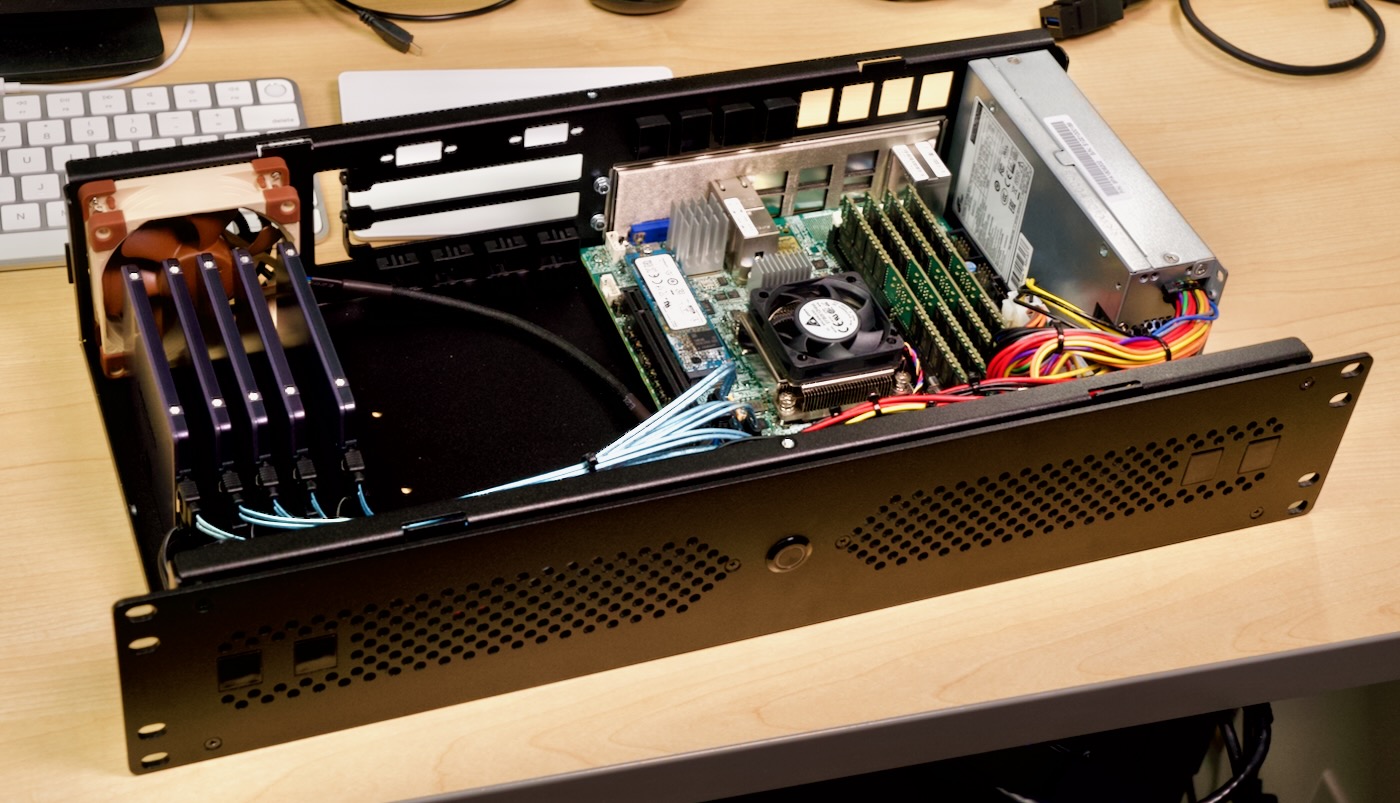
Want to take full control of your digital life? Learn how to build a NAS (Network Attached Storage) with this ultimate guide—simple, powerful, and completely customizable for home or business use.
Why You Need to Build a NAS (Network Attached Storage)
Building a NAS isn’t just for tech enthusiasts—it’s a smart move for anyone drowning in digital files. Whether you’re backing up family photos, streaming media across devices, or sharing files with a remote team, a NAS gives you centralized, secure, and always-accessible storage. Unlike cloud services, you own the hardware, control the privacy, and avoid monthly fees.
Control Over Your Data Privacy
One of the strongest reasons to learn how to build a NAS (Network Attached Storage) is data sovereignty. With services like Google Drive or Dropbox, your files are stored on third-party servers, often governed by foreign laws. A personal NAS keeps everything on your local network. You decide who accesses it, how it’s encrypted, and where it’s physically stored.
how to build a NAS (Network Attached Storage) – How to build a NAS (Network Attached Storage) menjadi aspek penting yang dibahas di sini.
- Full ownership of your hardware and data
- No reliance on external cloud providers
- Customizable encryption and access controls
This level of control is especially crucial for sensitive documents, financial records, or creative work you don’t want exposed to potential breaches.
Cost-Effective Long-Term Storage
Cloud storage can get expensive. A 2TB plan on a major provider might cost $10/month—$120 per year. Over five years, that’s $600, with no ownership of the hardware. In contrast, building a basic NAS with 4TB of storage might cost $300 upfront, and after that, you pay nothing except minimal electricity.
“The real power of a NAS isn’t just storage—it’s freedom. Freedom from subscription fatigue, freedom from throttled speeds, and freedom from data caps.” — TechRadar, Best NAS Devices 2023
For heavy users—photographers, video editors, or families with large media libraries—this cost difference becomes staggering over time.
how to build a NAS (Network Attached Storage) – How to build a NAS (Network Attached Storage) menjadi aspek penting yang dibahas di sini.
How to Build a NAS (Network Attached Storage): Essential Components
Before diving into assembly, you need to understand the core components of a NAS system. Unlike a regular PC, a NAS prioritizes reliability, low power consumption, and continuous operation. Here’s what you’ll need:
1. The Right Hardware: CPU, RAM, and Motherboard
The brain of your NAS starts with selecting compatible hardware. While you don’t need a gaming-grade CPU, choosing the right processor affects performance, especially if you plan to run virtual machines, Docker containers, or media transcoding.
- CPU: Intel Celeron, Pentium, or AMD Ryzen Embedded chips are popular for low-power, high-efficiency NAS builds.
- RAM: 8GB is the sweet spot for most home users. 16GB is recommended if you’re running multiple services or ZFS file systems.
- Motherboard: Look for models with multiple SATA ports, onboard Ethernet (preferably Gigabit), and support for your chosen CPU.
Mini-ITX or microATX motherboards are ideal for compact NAS cases. Brands like ASRock and Gigabyte offer solid options tailored for NAS builds.
how to build a NAS (Network Attached Storage) – How to build a NAS (Network Attached Storage) menjadi aspek penting yang dibahas di sini.
2. Storage Drives: HDD vs SSD
Storage is the heart of any NAS. You’ll typically use 3.5” hard disk drives (HDDs) for bulk storage due to their high capacity and low cost per gigabyte. However, SSDs are gaining traction for caching or full SSD NAS setups.
- HDDs: Seagate IronWolf and Western Digital Red are specifically designed for NAS environments, offering better vibration resistance and 24/7 reliability.
- SSDs: Ideal for OS storage, caching, or high-speed access. Samsung 870 EVO or Crucial MX500 are excellent choices.
For redundancy, plan to use at least two drives in a RAID configuration. More on that later.
Step-by-Step Guide: How to Build a NAS (Network Attached Storage)
Now that you have your components, it’s time to assemble your NAS. This step-by-step walkthrough ensures a smooth build, even if you’re new to PC assembly.
how to build a NAS (Network Attached Storage) – How to build a NAS (Network Attached Storage) menjadi aspek penting yang dibahas di sini.
Step 1: Assemble the Physical Components
Start by installing the CPU, RAM, and storage drives into the motherboard. Mount the motherboard into a NAS-optimized case—Fractal Design Node 304 or Streacom FC8 are popular for their compact size and excellent airflow.
- Connect SATA cables from drives to the motherboard
- Attach power cables from the PSU to each drive
- Ensure all components are securely fastened and ventilated
Double-check all connections before powering on.
Step 2: Install the NAS Operating System
The OS is what turns your hardware into a functional NAS. Unlike regular computers, NAS systems run specialized operating systems designed for file sharing, remote access, and data protection.
how to build a NAS (Network Attached Storage) – How to build a NAS (Network Attached Storage) menjadi aspek penting yang dibahas di sini.
- TrueNAS Core: Free, open-source, based on FreeBSD, supports ZFS for advanced data integrity.
- OpenMediaVault (OMV): Debian-based, lightweight, perfect for older or low-power hardware.
- Unraid: Paid (with free trial), user-friendly, allows mixing drive sizes and running Docker apps.
To install, create a bootable USB drive using tools like Rufus or BalenaEtcher. Insert it into your NAS, boot from USB, and follow the on-screen installer.
“Unraid’s flexibility makes it one of the most beginner-friendly platforms for learning how to build a NAS (Network Attached Storage).” — Tom’s Hardware
Configuring RAID and Data Protection
One of the most critical aspects of how to build a NAS (Network Attached Storage) is ensuring your data is protected against drive failure. RAID (Redundant Array of Independent Disks) is the standard solution.
Understanding RAID Levels
RAID combines multiple drives to improve performance, capacity, or redundancy. Here are the most common configurations:
how to build a NAS (Network Attached Storage) – How to build a NAS (Network Attached Storage) menjadi aspek penting yang dibahas di sini.
- RAID 1: Mirroring. Two drives store identical data. If one fails, the other keeps working. 50% storage efficiency.
- RAID 5: Striping with parity. Requires at least three drives. Can survive one drive failure. More efficient than RAID 1.
- RAID 6: Like RAID 5 but can survive two drive failures. Requires at least four drives.
- RAID 10: Combines mirroring and striping. Requires four drives. High performance and redundancy, but 50% efficiency.
For home users, RAID 5 or RAID 6 offers the best balance of safety and storage efficiency.
ZFS: The Ultimate File System for NAS
If you’re using TrueNAS or FreeNAS, ZFS is a game-changer. It’s not just a file system—it’s a complete storage solution that prevents data corruption, supports snapshots, and handles large volumes efficiently.
- Self-healing data: ZFS detects and corrects silent data corruption
- Snapshots: Create point-in-time backups of your data
- Compression: Save space without losing performance
While ZFS requires more RAM (16GB+ recommended), its reliability makes it worth the investment for serious NAS users.
how to build a NAS (Network Attached Storage) – How to build a NAS (Network Attached Storage) menjadi aspek penting yang dibahas di sini.
How to Build a NAS (Network Attached Storage) with Remote Access
A NAS isn’t useful if you can’t access it outside your home network. Setting up remote access allows you to retrieve files, stream media, or manage your system from anywhere.
Enable SSH and Web Interface Access
Most NAS operating systems provide a web-based control panel. For TrueNAS, it’s accessible via http://[NAS-IP]:80. For OpenMediaVault, it’s https://[NAS-IP].
- Ensure your NAS has a static IP on your local network
- Enable SSH for command-line access (use with caution and strong passwords)
- Set up user accounts with appropriate permissions
Never expose the admin interface directly to the internet without security measures.
how to build a NAS (Network Attached Storage) – How to build a NAS (Network Attached Storage) menjadi aspek penting yang dibahas di sini.
Set Up Dynamic DNS and Port Forwarding
Most home internet connections use dynamic IPs, which change periodically. Dynamic DNS (DDNS) services like No-IP or DuckDNS let you assign a domain name to your changing IP.
- Create a free account with a DDNS provider
- Configure your router to update the DDNS service automatically
- Forward ports (e.g., 80, 443, 22) from your router to your NAS IP
Now you can access your NAS via a URL like myhomeNAS.ddns.net.
“Port forwarding can be risky. Always use strong passwords, disable unused services, and consider a reverse proxy with SSL for secure remote access.” — How-To Geek
Expand Your NAS: Add-ons and Services
Once your NAS is up and running, you can turn it into a powerhouse by adding services. This is where learning how to build a NAS (Network Attached Storage) evolves from simple storage to a full home server.
how to build a NAS (Network Attached Storage) – How to build a NAS (Network Attached Storage) menjadi aspek penting yang dibahas di sini.
Run Media Servers with Plex or Jellyfin
Turn your NAS into a personal Netflix. Install Plex or Jellyfin to organize and stream your movies, TV shows, and music to any device.
- Plex offers a polished interface and mobile apps (some features require a subscription)
- Jellyfin is 100% free and open-source, with similar functionality
- Both support hardware transcoding if your CPU has integrated graphics
Simply point the media server to your movie and music folders, and start streaming.
Automate Backups with rsync and Cloud Sync
Your NAS should not only store data but also protect it. Use built-in tools to automate backups:
how to build a NAS (Network Attached Storage) – How to build a NAS (Network Attached Storage) menjadi aspek penting yang dibahas di sini.
- rsync: Efficiently sync folders between devices or remote servers
- Cloud Sync: Back up critical files to AWS S3, Google Cloud, or Backblaze B2
- Snapshot Replication: In TrueNAS, send ZFS snapshots to an offsite NAS for disaster recovery
Set schedules (daily, weekly) to ensure your data is always protected.
Optimize Performance and Power Efficiency
A NAS runs 24/7, so performance and power efficiency are crucial. A poorly optimized system can waste electricity and generate unnecessary heat.
Tune Your File System and Caching
Use SSD caching to speed up access to frequently used files. Both TrueNAS and Unraid support L2ARC (read cache) and SLOG (write cache) with SSDs.
how to build a NAS (Network Attached Storage) – How to build a NAS (Network Attached Storage) menjadi aspek penting yang dibahas di sini.
- L2ARC: Stores frequently accessed data for faster reads
- SLOG: Accelerates synchronous writes, improving performance for databases or VMs
Even a small 120GB SSD can dramatically improve responsiveness.
Reduce Power Consumption
To keep your NAS eco-friendly and quiet:
- Enable AHCI link power management
- Set hard drives to spin down after inactivity (e.g., 30 minutes)
- Use a low-wattage PSU (65W–150W)
- Choose fanless cases or low-RPM fans for silent operation
A well-tuned NAS can consume as little as 20–30 watts under load—less than a light bulb.
how to build a NAS (Network Attached Storage) – How to build a NAS (Network Attached Storage) menjadi aspek penting yang dibahas di sini.
How to Build a NAS (Network Attached Storage): Troubleshooting Common Issues
Even the best builds encounter problems. Here’s how to diagnose and fix common NAS issues.
Drive Not Detected or Failing
If a drive isn’t recognized:
- Check SATA and power connections
- Test the drive in another system
- Run SMART tests via the NAS OS to check health
If a drive is failing, replace it immediately and restore data from RAID or backup.
how to build a NAS (Network Attached Storage) – How to build a NAS (Network Attached Storage) menjadi aspek penting yang dibahas di sini.
Slow Network Performance
If file transfers are sluggish:
- Ensure you’re using Gigabit Ethernet (not 100Mbps)
- Check for network bottlenecks (old switches, Wi-Fi connections)
- Disable power-saving features on the NIC
- Use Jumbo Frames (MTU 9000) if your network supports it
Wired connections are always faster and more reliable than Wi-Fi for NAS access.
What is the best OS for building a NAS?
how to build a NAS (Network Attached Storage) – How to build a NAS (Network Attached Storage) menjadi aspek penting yang dibahas di sini.
The best OS depends on your needs. TrueNAS is ideal for advanced users who want ZFS and enterprise features. OpenMediaVault is lightweight and perfect for older hardware. Unraid is the most user-friendly, especially for beginners, and supports Docker and VMs easily.
Can I build a NAS with old computer parts?
Yes! An old desktop PC can be repurposed into a NAS. Just install a NAS OS like OpenMediaVault or XigmaNAS. Ensure it has enough SATA ports and a reliable power supply. This is a cost-effective way to learn how to build a NAS (Network Attached Storage).
how to build a NAS (Network Attached Storage) – How to build a NAS (Network Attached Storage) menjadi aspek penting yang dibahas di sini.
Do I need RAID for my NAS?
RAID is highly recommended but not mandatory. Without RAID, a single drive failure can result in total data loss. RAID 1, 5, or 6 provides redundancy. Even with RAID, always maintain offsite backups for complete protection.
How much does it cost to build a NAS?
how to build a NAS (Network Attached Storage) – How to build a NAS (Network Attached Storage) menjadi aspek penting yang dibahas di sini.
A basic 2-drive NAS can cost $300–$500, including drives. High-end builds with 4+ drives, ECC RAM, and redundant PSUs can exceed $1,000. However, this is still cheaper than years of cloud storage subscriptions.
Can I access my NAS from my phone?
Absolutely. Most NAS systems offer mobile apps. TrueNAS, Synology, and Unraid have iOS and Android apps for file access, media streaming, and system monitoring. You can also use standard protocols like SFTP or WebDAV.
how to build a NAS (Network Attached Storage) – How to build a NAS (Network Attached Storage) menjadi aspek penting yang dibahas di sini.
Building a NAS is one of the most empowering tech projects you can undertake. By learning how to build a NAS (Network Attached Storage), you gain control over your data, save money in the long run, and create a versatile system that grows with your needs. Whether you’re a beginner using an old PC or an expert building a ZFS powerhouse, the process is rewarding and future-proof. Start small, learn as you go, and enjoy the freedom of owning your digital universe.
how to build a NAS (Network Attached Storage) – How to build a NAS (Network Attached Storage) menjadi aspek penting yang dibahas di sini.
Recommended for you 👇
Further Reading: