
 admin
admin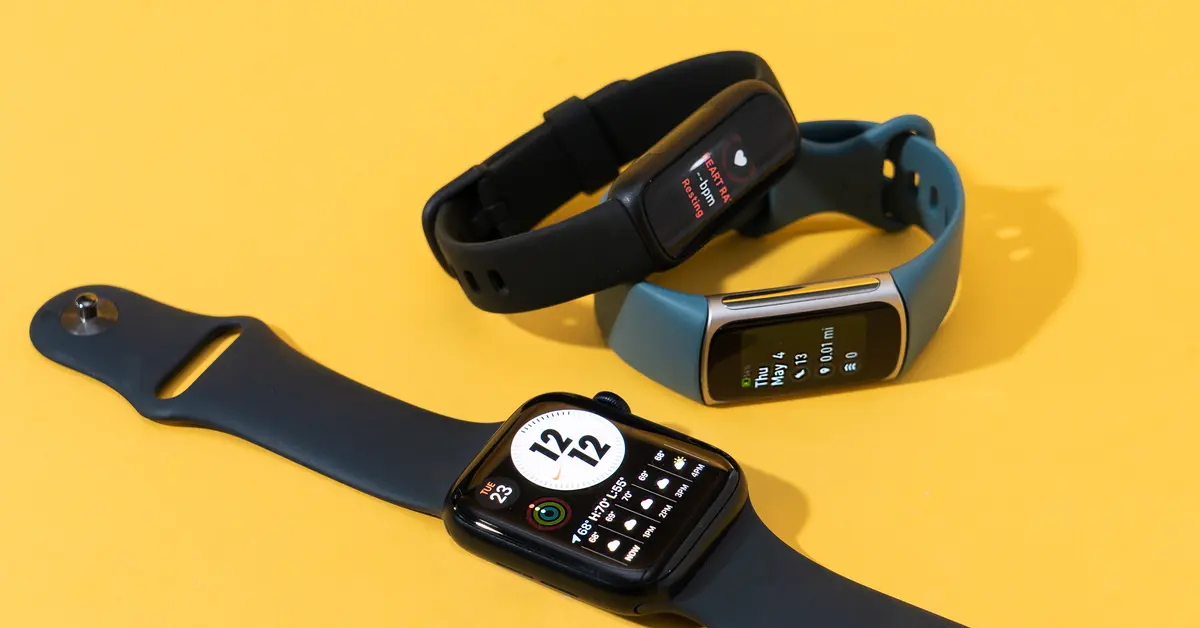
Looking for the perfect smartwatch for fitness tracking? You’re not alone. Millions are turning to wearable tech to boost workouts, monitor health, and stay motivated. But with so many options, how do you pick the right one? Let’s break it down.
Why a Smartwatch for Fitness Tracking Is a Game-Changer

Fitness tracking has evolved from simple pedometers to full-body health monitoring systems. A smartwatch for fitness tracking isn’t just a gadget—it’s a personal coach on your wrist. It tracks your movement, heart rate, sleep, and even stress levels, giving you real-time feedback to improve your lifestyle.
From Steps to Holistic Health Monitoring
Early fitness trackers focused only on steps. Today’s smartwatches go far beyond. They analyze your entire health ecosystem. For example, the Apple Watch Series 9 doesn’t just count steps—it uses advanced algorithms to estimate VO2 max, track respiratory rate, and detect irregular heart rhythms like atrial fibrillation via Apple’s official site.
- Step counting and distance tracking
- Heart rate variability (HRV) analysis
- Sleep stage monitoring (light, deep, REM)
“Wearable devices are transforming preventive healthcare by enabling continuous, real-world data collection.” — Dr. Eric Topol, Director of Scripps Research Translational Institute
Real-Time Feedback and Motivation
One of the biggest advantages of a smartwatch for fitness tracking is instant feedback. Whether you’re running, cycling, or doing yoga, your watch can alert you if your heart rate spikes too high or drops too low. This real-time data helps you train smarter, not harder.
Many models, like the Garmin Forerunner 255, offer on-screen coaching prompts during workouts. These cues help you maintain optimal effort levels and avoid overtraining. This kind of immediate guidance is especially valuable for beginners who may not know how to pace themselves.
Top 7 Features to Look for in a Smartwatch for Fitness Tracking
Not all smartwatches are created equal. When choosing a smartwatch for fitness tracking, focus on features that align with your goals. Whether you’re a marathon runner, a gym enthusiast, or someone just starting a wellness journey, these seven features are non-negotiable.
1. Accurate Heart Rate Monitoring
Heart rate is one of the most critical metrics in fitness. A reliable smartwatch for fitness tracking uses optical sensors to measure blood flow and calculate beats per minute (BPM). But accuracy varies widely between brands.
Studies show that devices like the Polar Vantage V2 use ECG-grade sensors and perform better during high-intensity workouts than budget models according to Polar’s research. Look for watches with dual or triple sensor arrays and those validated by third-party labs.
- Optical vs. ECG sensors: what’s the difference?
- How motion affects heart rate accuracy
- Resting heart rate trends over time
2. GPS and Route Tracking
If you run, cycle, or hike outdoors, built-in GPS is essential. A smartwatch for fitness tracking with GPS lets you map your route, measure distance, and monitor pace without carrying your phone.
High-end models like the Garmin Fenix 7 use multi-band satellite support (GPS, GLONASS, Galileo) for pinpoint accuracy, even in dense forests or urban canyons. This level of precision ensures your workout data is trustworthy and consistent.
“GPS accuracy can vary by up to 30% between devices. Always test in your typical environment.” — DC Rainmaker, Wearable Tech Analyst
3. Comprehensive Workout Mode Support
The best smartwatch for fitness tracking supports a wide range of activities. From swimming to strength training, the more modes available, the better it adapts to your routine.
For example, the Samsung Galaxy Watch 6 offers over 90 workout modes, including Pilates, indoor rowing, and even stair climbing. Some watches automatically detect when you start exercising—like the Fitbit Sense 2, which recognizes outdoor walks, runs, and swims without manual input.
- Auto-detection vs. manual start: pros and cons
- Swim-proof design and water resistance ratings
- Strength training tracking with rep counting
4. Advanced Sleep and Recovery Insights
Fitness isn’t just about activity—it’s also about recovery. A smartwatch for fitness tracking should monitor your sleep quality and provide actionable insights.
Devices like the Oura Ring (though not a watch) and the Withings ScanWatch use advanced algorithms to track sleep stages, oxygen saturation, and even body temperature. These metrics help you understand how well your body recovers after intense workouts.
Look for features like sleep score, bedtime reminders, and recovery time recommendations. Some watches integrate with apps like Whoop or Garmin Connect to give you a daily “readiness score” based on your sleep and stress data.
5. Long Battery Life for Continuous Tracking
No one wants their smartwatch for fitness tracking dying mid-workout. Battery life is crucial, especially if you’re tracking 24/7 metrics like heart rate and sleep.
While the Apple Watch lasts about 18-36 hours, rugged fitness watches like the Garmin Enduro 2 can go up to 36 days in smartwatch mode and 100+ hours in GPS mode. Solar charging options extend this even further, making them ideal for ultramarathoners or backpackers.
- Typical battery life by brand and model
- Impact of GPS and heart rate monitoring on battery drain
- Solar charging and power-saving modes
6. Seamless App Integration and Data Syncing
Your smartwatch for fitness tracking is only as good as the ecosystem it connects to. The ability to sync data with fitness apps like Strava, MyFitnessPal, or Google Fit enhances your experience.
For iPhone users, Apple Health acts as a central hub, pulling data from various sources. Android users benefit from Google Fit integration, especially with Wear OS-powered watches like the Pixel Watch 2. Make sure your chosen device supports the platforms you already use.
Some watches, like the Fitbit Charge 6, offer built-in GPS and Google Maps navigation, making them ideal for urban runners and cyclists who want turn-by-turn directions on their wrist.
7. Water Resistance and Durability
If you swim, sweat heavily, or train in tough conditions, durability matters. A smartwatch for fitness tracking should be water-resistant to at least 5 ATM (50 meters) to handle swimming and showering.
Brands like Suunto and Garmin build military-grade durability into their watches. The Suunto 9 Peak Pro, for example, is built to withstand extreme temperatures, shocks, and water pressure—perfect for triathletes and outdoor adventurers.
“A fitness watch must survive more than the gym—it should handle rain, mud, and saltwater without flinching.” — Outdoor Gear Lab Review
Best Smartwatches for Fitness Tracking in 2024
With so many options, choosing the right smartwatch for fitness tracking can be overwhelming. Here’s a curated list of the top performers based on accuracy, features, and user feedback.
1. Garmin Forerunner 255
Tailored for runners, the Garmin Forerunner 255 offers advanced running dynamics, including cadence, stride length, and ground contact time. It also provides training load focus and recovery time recommendations.
With up to 14 days of battery life and built-in GPS, it’s a favorite among endurance athletes. Its integration with Garmin Connect allows deep analysis of performance trends over time.
- Running dynamics and performance metrics
- Training effect and load balance
- Music storage and contactless payments
2. Apple Watch Series 9
The Apple Watch Series 9 remains the most popular smartwatch for fitness tracking, especially for iPhone users. It offers a seamless blend of health monitoring, app support, and lifestyle features.
New features like double-tap gesture control and brighter displays enhance usability. Its ECG app and blood oxygen sensor provide medical-grade insights, while the Workout app supports everything from HIIT to yoga.
However, battery life is still limited to about one day, which may be a drawback for multi-day athletes.
3. Fitbit Charge 6
The Fitbit Charge 6 is a sleek fitness band that blurs the line between smartwatch and tracker. It includes Google apps (Maps, Wallet, YouTube Music), built-in GPS, and advanced health metrics.
Its AI-powered Daily Readiness Score helps users decide whether to push hard or rest. With up to 7 days of battery life and strong integration with Google Fit, it’s ideal for casual to moderate exercisers.
4. Samsung Galaxy Watch 6
For Android users, the Galaxy Watch 6 offers a powerful mix of fitness tracking, health monitoring, and smart features. It uses Samsung’s BioActive Sensor for accurate heart rate, blood pressure, and body composition analysis.
The watch supports automatic workout detection, sleep coaching, and stress management. With Wear OS, it offers access to a wide range of third-party fitness apps.
5. Whoop Strap 4.0
The Whoop Strap isn’t a traditional smartwatch—it has no screen. Instead, it focuses entirely on performance and recovery. It continuously tracks heart rate, HRV, sleep, and strain, delivering a daily strain/recovery report.
Popular among professional athletes, Whoop uses a subscription model ($30/month) that includes the device, app access, and replacements. It’s waterproof, lightweight, and designed for 24/7 wear.
How to Choose the Right Smartwatch for Fitness Tracking
Selecting the best smartwatch for fitness tracking depends on your lifestyle, fitness goals, and tech ecosystem. Here’s a step-by-step guide to help you make the right choice.
Identify Your Primary Fitness Goals
Are you training for a marathon? Recovering from injury? Or just trying to move more? Your goal determines which features matter most.
- Runners: Prioritize GPS accuracy and running dynamics
- Swimmers: Look for 5 ATM+ water resistance and swim stroke detection
- Weightlifters: Choose a watch with rep counting and strength training modes
Check Compatibility with Your Phone
A smartwatch for fitness tracking should work seamlessly with your smartphone. Apple Watches only pair with iPhones, while Wear OS watches (like Pixel Watch 2) work best with Android.
Some brands, like Fitbit and Garmin, offer cross-platform compatibility. However, full feature access may be limited on non-native devices. Always check the manufacturer’s compatibility list before buying.
Consider Your Budget and Long-Term Value
Smartwatches for fitness tracking range from $100 to over $1,000. While premium models offer advanced features, budget options like the Amazfit Bip U Pro deliver solid tracking at a fraction of the cost.
Ask yourself: Will I use the advanced features? Is the battery life sufficient? Does it integrate with my existing apps? Sometimes, a mid-tier device offers the best balance of cost and functionality.
The Science Behind Fitness Tracking Accuracy
Not all data from your smartwatch for fitness tracking is equally reliable. Understanding the science behind sensors and algorithms helps you interpret results more critically.
Optical Heart Rate Sensors: How They Work
Most smartwatches use photoplethysmography (PPG), where green LEDs shine light into your skin and measure blood flow changes. While effective at rest, PPG can struggle during high-motion activities like weightlifting or sprinting.
Research from Stanford University found that optical sensors can deviate by 20-30 BPM during intense exercise in a 2017 study. For better accuracy, some watches now use red and infrared LEDs in addition to green.
GPS Accuracy and Environmental Factors
GPS accuracy depends on satellite signal strength, which can be blocked by tall buildings, trees, or even your body. Multi-band GPS (used in Garmin and Suunto watches) improves accuracy by receiving signals from multiple frequencies.
Urban runners should look for watches with GLONASS or Galileo support to maintain signal lock in cities. Always calibrate your GPS before critical workouts to ensure precision.
Sleep Tracking: Estimates, Not Medical Diagnosis
While smartwatches claim to track sleep stages, they use movement and heart rate—not brain waves. This means they estimate sleep phases rather than measure them directly.
Studies show consumer wearables are fairly accurate for detecting sleep vs. wake states but less reliable for distinguishing REM from deep sleep. Use sleep data as a trend indicator, not a clinical diagnosis.
Health Benefits of Using a Smartwatch for Fitness Tracking
Beyond counting steps, a smartwatch for fitness tracking can improve your long-term health in surprising ways.
Increased Physical Activity and Accountability
Studies show that people who wear fitness trackers walk 1,000–2,000 more steps per day on average. The constant feedback loop—seeing your progress in real time—creates accountability.
Features like move reminders, hourly alerts, and weekly challenges encourage consistent activity. Over time, this builds healthier habits and reduces sedentary behavior.
Early Detection of Health Issues
Smartwatches have saved lives by detecting irregular heart rhythms. The Apple Heart Study, involving over 400,000 participants, found that the Apple Watch could identify atrial fibrillation with high specificity published in the New England Journal of Medicine.
Other watches now include blood oxygen monitoring, which can flag potential respiratory issues. While not a substitute for medical exams, these tools provide early warnings that prompt users to seek care.
Mental Health and Stress Management
Modern smartwatches for fitness tracking also monitor stress through heart rate variability (HRV). Low HRV is linked to chronic stress, poor sleep, and burnout.
Devices like the Fitbit Sense 2 and Garmin Venu 3 offer guided breathing exercises and stress scores. These tools help users recognize stress patterns and practice mindfulness—key components of mental wellness.
Future Trends in Smartwatch for Fitness Tracking
The future of fitness wearables is moving beyond tracking to prediction and personalization. Here’s what’s coming next.
AI-Powered Coaching and Predictive Analytics
Next-gen smartwatches will use artificial intelligence to predict injury risk, optimize training plans, and suggest recovery strategies. For example, Garmin’s Body Battery and Whoop’s Strain Coach already use AI to recommend workout intensity.
Future models may integrate with genetic data or blood biomarkers to offer hyper-personalized fitness advice. Imagine a watch that tells you exactly when to train, rest, or eat based on your biology.
Non-Invasive Glucose and Blood Pressure Monitoring
One of the holy grails of wearable tech is continuous glucose monitoring (CGM) without needles. Companies like Apple and Samsung are investing heavily in optical sensors that could measure glucose levels through the skin.
While not yet available, prototypes show promise. Similarly, cuffless blood pressure monitoring is being tested in devices like the Samsung Galaxy Watch 6, though accuracy is still being validated.
Integration with Smart Home and Healthcare Systems
Smartwatches will soon sync with smart homes—dimming lights when it’s time to sleep or adjusting room temperature based on your recovery needs. In healthcare, they may transmit data directly to doctors, enabling remote patient monitoring for chronic conditions like diabetes or hypertension.
This level of integration could revolutionize preventive medicine, turning your smartwatch for fitness tracking into a true health guardian.
What is the most accurate smartwatch for fitness tracking?
The Garmin Forerunner 255 and Polar Vantage V2 are among the most accurate due to their advanced GPS and heart rate sensors. They’re widely used by athletes and validated in independent tests.
Can a smartwatch for fitness tracking replace a medical device?
No. While smartwatches provide valuable insights, they are not medical devices. Always consult a healthcare professional for diagnosis and treatment.
Do I need GPS in my fitness smartwatch?
If you exercise outdoors (running, cycling, hiking), yes. GPS allows accurate distance and pace tracking without your phone. For gym workouts, it’s less critical.
How long should a smartwatch battery last for fitness tracking?
For continuous tracking, aim for at least 5–7 days. GPS-heavy use drains batteries faster, so look for models with 20+ hours of GPS life if you’re an endurance athlete.
Are cheap fitness trackers worth it?
For basic step and heart rate tracking, yes. Budget models like the Amazfit Band 7 or Xiaomi Mi Band 8 offer solid value. But they lack the accuracy and durability of premium brands.
Choosing the right smartwatch for fitness tracking can transform your health journey. From accurate heart rate monitoring to AI-powered coaching, today’s devices offer unprecedented insights. Whether you’re a casual walker or elite athlete, there’s a watch designed for your needs. Focus on accuracy, battery life, and ecosystem compatibility to get the most value. As technology evolves, these wearables will become even more powerful—helping you not just track fitness, but truly understand your body.
Further Reading: