
 admin
admin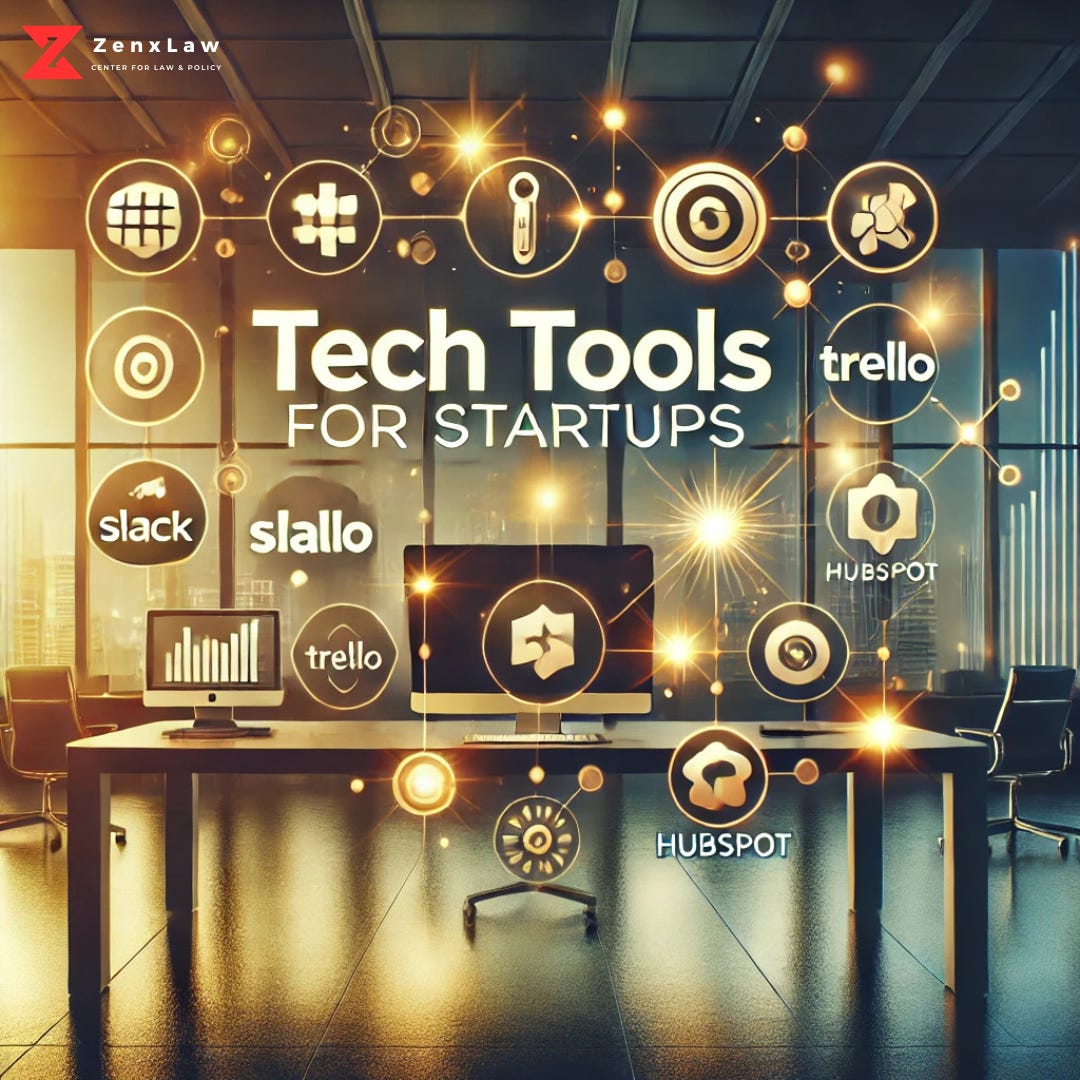
In the fast-paced world of startups, agility wins. That’s why modern founders are ditching bulky traditional CRMs in favor of lean, integrated startup tool stacks replacing traditional CRMs—customized, cost-effective, and built for speed.
The Rise of Startup Tool Stacks Replacing Traditional CRMs

For years, traditional Customer Relationship Management (CRM) systems like Salesforce, HubSpot, and Microsoft Dynamics dominated the sales and marketing landscape. These platforms promised centralized customer data, streamlined workflows, and improved sales forecasting. However, for startups—especially early-stage ones—they often proved to be overkill: expensive, complex, and slow to adapt.
Enter the era of startup tool stacks replacing traditional CRMs. Instead of relying on a single monolithic platform, startups are now building modular, agile ecosystems using best-of-breed tools that integrate seamlessly. These stacks are not only more affordable but also more flexible, allowing young companies to iterate quickly, respond to market feedback, and scale efficiently.
According to a 2023 report by Gartner, over 60% of startups now use a combination of specialized SaaS tools rather than a single CRM suite. This shift reflects a broader trend toward decentralization and hyper-specialization in tech infrastructure.
Why Traditional CRMs Fail Startups
Traditional CRMs were designed for large enterprises with established sales teams, long sales cycles, and deep pockets. Startups, on the other hand, operate under different constraints: limited budgets, small teams, rapid experimentation, and a need for speed.
- High Cost: Enterprise CRMs often come with per-user pricing that can quickly spiral out of control for growing teams.
- Complexity: These platforms require extensive training and customization, slowing down time-to-value.
- Rigidity: They’re not built for rapid iteration or experimentation, making it hard to pivot strategies.
- Over-Engineering: Many features go unused, leading to wasted resources and cognitive overload.
As a result, startups are increasingly viewing traditional CRMs not as a solution, but as a bottleneck.
The Modular Advantage of Modern Tool Stacks
Startup tool stacks replacing traditional CRMs leverage the power of modularity. Each tool in the stack serves a specific function—lead capture, email automation, analytics, customer support—and integrates with others via APIs and platforms like Zapier or Make.
startup tool stacks replacing traditional CRMs – Startup tool stacks replacing traditional CRMs menjadi aspek penting yang dibahas di sini.
This approach allows startups to:
- Pick only the tools they need, avoiding feature bloat.
- Scale incrementally as they grow.
- Replace or upgrade individual components without overhauling the entire system.
- Customize workflows to match their unique business model.
For example, a fintech startup might use Typeform for lead capture, HubSpot for email sequences, Airtable for lightweight CRM, and Intercom for customer messaging—all connected through automated workflows. This stack is not only cheaper than a full Salesforce license but also more adaptable to change.
“The future of CRM isn’t a single platform—it’s a network of intelligent tools working in concert.” — Sarah Chen, SaaS Analyst at TechCrunch
Key Components of a Modern Startup Tool Stack
A successful startup tool stack replacing traditional CRMs isn’t just about swapping one tool for another—it’s about rethinking the entire customer lifecycle. The most effective stacks are built around core functions that support acquisition, engagement, conversion, and retention.
Below are the essential components of a modern startup tool stack, each playing a critical role in replacing the monolithic CRM model.
Lead Capture & Qualification Tools
Instead of relying on a CRM’s built-in lead forms, startups are using specialized tools to capture and qualify leads more effectively.
- Typeform: Creates beautiful, interactive forms that boost conversion rates. Its logic jumps and conditional questions help pre-qualify leads before they enter the funnel. Learn more at Typeform.
- Leadfeeder: Identifies anonymous website visitors by company, allowing sales teams to prioritize high-intent accounts. It integrates with Google Analytics and CRM tools to enrich lead data.
- Hotjar: Provides heatmaps and session recordings to understand how visitors interact with landing pages, helping optimize lead capture forms. Explore Hotjar.
These tools feed qualified leads into the next stage of the stack, often bypassing the need for manual data entry into a traditional CRM.
Email & Outreach Automation
Email remains a cornerstone of startup growth, but modern stacks use automation tools that are more agile than traditional CRM email modules.
startup tool stacks replacing traditional CRMs – Startup tool stacks replacing traditional CRMs menjadi aspek penting yang dibahas di sini.
- Mailchimp: Ideal for early-stage startups, offering drag-and-drop email builders and basic automation. It integrates with e-commerce platforms and landing page tools.
- Sendinblue (now Brevo): Combines email, SMS, and chat for multi-channel outreach. Its transactional email API is a favorite among tech startups. Visit Brevo.
- Smartwriter.ai: Uses AI to generate personalized cold emails at scale, integrating with Gmail and Outlook. This reduces the need for a full CRM sales module.
These tools often sync with lightweight CRMs or spreadsheets, keeping data organized without the overhead of enterprise software.
Lightweight CRM & Data Management
Startups don’t need Salesforce-level complexity. Instead, they use flexible databases and lightweight CRMs to manage customer data.
- Airtable: Combines the simplicity of spreadsheets with the power of databases. Teams can create custom views, automations, and integrations without coding. It’s widely used as a no-code CRM alternative. Try Airtable.
- Notion: While primarily a collaboration tool, Notion’s databases and templates allow startups to build custom CRM systems with full documentation, task tracking, and customer notes.
- Pipedrive: A sales-focused CRM that’s simpler and more visual than Salesforce, making it ideal for startups with active outbound sales teams.
These tools serve as the central hub in startup tool stacks replacing traditional CRMs, offering just enough structure without sacrificing flexibility.
Top 7 Startup Tool Stacks Replacing Traditional CRMs
Every startup is different, but certain tool combinations have emerged as proven winners. Below are seven powerful startup tool stacks replacing traditional CRMs, tailored to different business models and growth stages.
1. The No-Code MVP Stack
Perfect for pre-seed startups validating their idea with minimal technical debt.
- Webflow: For building responsive, high-conversion landing pages without code.
- Typeform: To collect user feedback and sign-ups with engaging forms.
- Airtable: Acts as the central database for leads, feedback, and roadmap planning.
- Zapier: Connects all tools automatically—e.g., new Typeform submission → Airtable record → Slack notification. Discover Zapier.
This stack eliminates the need for a traditional CRM by focusing on speed and simplicity. It’s ideal for startups testing product-market fit.
2. The SaaS Growth Stack
Designed for B2B SaaS startups scaling their sales and marketing operations.
startup tool stacks replacing traditional CRMs – Startup tool stacks replacing traditional CRMs menjadi aspek penting yang dibahas di sini.
- HubSpot (Free Tier): Manages email campaigns, lead tracking, and basic CRM functions.
- Clearbit: Enriches lead data with company and contact details, improving targeting. Check Clearbit.
- Outreach.io: A sales engagement platform that automates sequences and tracks prospect interactions.
- Chili Piper: Enables real-time meeting scheduling, reducing friction in the sales process.
This stack replaces traditional CRMs by offering deeper sales intelligence and automation, while remaining cost-effective for growing teams.
3. The E-Commerce Launch Stack
Built for DTC (Direct-to-Consumer) brands launching online stores.
- Shopify: The backbone of the store, handling products, payments, and orders.
- Klaviyo: Sends personalized email and SMS campaigns based on customer behavior.
- Gorgias: Combines customer service, email, and social media support in one inbox, reducing response time.
- Segment: Collects and routes customer data across tools, ensuring consistency. Visit Segment.
Instead of a traditional CRM, this stack uses behavioral data to drive engagement, making it more effective for e-commerce than static CRM records.
4. The Remote-First Team Stack
For distributed startups that prioritize collaboration and transparency.
- Notion: Central hub for docs, tasks, and customer records.
- Loom: Records video messages for async communication with customers and team members.
- Slack: Real-time communication with integrations to all other tools.
- Linear: A fast, developer-friendly issue tracker that doubles as a product feedback system.
This stack replaces CRM-centric workflows with transparent, document-driven processes that keep remote teams aligned.
5. The AI-Powered Sales Stack
Leveraging artificial intelligence to automate and enhance sales outreach.
- Clay.com: A relationship OS that combines CRM, data enrichment, and AI outreach. It pulls data from LinkedIn, Apollo, and Clearbit to build personalized sequences. Explore Clay.
- Bardeen.ai: Automates repetitive tasks like LinkedIn scraping and data entry using AI.
- Reply.io: AI-driven sales engagement platform with smart sequencing and performance analytics.
- DocuSign: For fast, digital contract signing, reducing sales cycle time.
This stack is a direct competitor to traditional CRMs, offering smarter, faster, and more personalized sales workflows.
startup tool stacks replacing traditional CRMs – Startup tool stacks replacing traditional CRMs menjadi aspek penting yang dibahas di sini.
6. The Community-Led Growth Stack
For startups building movements, not just products.
- Circle.so: Hosts branded communities where users can interact, share feedback, and co-create.
- Discord: Real-time chat platform for community engagement and support.
- ConvertKit: Manages email newsletters and automations for community updates.
- Heptabase: Visual knowledge board to map community insights and product ideas.
In this model, the community becomes the CRM. Customer relationships are built through engagement, not data entry.
7. The Embedded Finance Stack
For fintech startups integrating financial services into their product.
- Plaid: Connects to user bank accounts for seamless onboarding. Learn about Plaid.
- Stripe: Handles payments, subscriptions, and billing with robust APIs.
- Treasury Prime: Enables banking-as-a-service integrations.
- Amberflo: Real-time usage metering for pay-as-you-go pricing models.
Here, the CRM is embedded in the product experience. Customer data flows through financial interactions, not sales calls.
Benefits of Startup Tool Stacks Replacing Traditional CRMs
The shift from monolithic CRMs to modular tool stacks isn’t just a trend—it’s a strategic advantage. Startups that adopt this approach gain several key benefits.
Cost Efficiency & Scalability
Traditional CRMs often charge per user, with minimum seat requirements and long-term contracts. In contrast, modern tool stacks use pay-as-you-go pricing, allowing startups to start small and scale only when needed.
For example, a startup might begin with a $12/month Airtable plan and a free Zapier tier. As they grow, they can upgrade individual tools without renegotiating an entire CRM contract.
startup tool stacks replacing traditional CRMs – Startup tool stacks replacing traditional CRMs menjadi aspek penting yang dibahas di sini.
This granular control over costs makes startup tool stacks replacing traditional CRMs a financially smarter choice.
Faster Time-to-Market
Setting up a traditional CRM can take weeks or months of configuration, training, and data migration. Modern tool stacks, on the other hand, are designed for rapid deployment.
With pre-built templates, intuitive interfaces, and no-code integrations, startups can go from idea to operational system in days. This speed is critical in competitive markets where first-mover advantage matters.
Enhanced Flexibility & Innovation
One of the biggest drawbacks of traditional CRMs is their rigidity. Once a process is built, changing it requires admin access, technical know-how, and downtime.
Modern tool stacks are inherently flexible. Teams can experiment with new workflows, A/B test messaging, and pivot strategies without breaking the system.
This culture of experimentation fosters innovation, allowing startups to discover what works faster than their enterprise competitors.
Challenges and Risks of Modular Tool Stacks
While startup tool stacks replacing traditional CRMs offer many advantages, they’re not without challenges. Founders must be aware of potential pitfalls to avoid technical debt and operational chaos.
startup tool stacks replacing traditional CRMs – Startup tool stacks replacing traditional CRMs menjadi aspek penting yang dibahas di sini.
Data Fragmentation & Integration Complexity
With multiple tools comes the risk of data silos. If not managed properly, customer data can become scattered across platforms, leading to inconsistent records and poor visibility.
Solution: Use a central data hub (like Airtable or Segment) and invest in reliable integration tools (Zapier, Make, or custom APIs). Regular audits ensure data consistency.
Tool Sprawl & Cognitive Overload
It’s easy to fall into the trap of adding too many tools. Each new app introduces login fatigue, training overhead, and potential security risks.
Solution: Adopt a “tool minimalism” mindset. Only add a tool if it solves a specific, high-impact problem. Use a tool stack map to visualize dependencies and eliminate redundancies.
Security & Compliance Risks
Every third-party tool is a potential security vulnerability. Startups handling sensitive data (e.g., health, finance) must ensure compliance with regulations like GDPR or HIPAA.
Solution: Prioritize tools with strong security certifications (SOC 2, ISO 27001), enforce SSO and MFA, and conduct regular vendor assessments.
“The best tool stack isn’t the most powerful—it’s the one your team actually uses.” — Alex Kim, CTO of a Series B SaaS startup
How to Build Your Own Startup Tool Stack
Building an effective startup tool stack replacing traditional CRMs requires strategy, not just tool selection. Follow this step-by-step guide to create a system that scales with your business.
startup tool stacks replacing traditional CRMs – Startup tool stacks replacing traditional CRMs menjadi aspek penting yang dibahas di sini.
Step 1: Map Your Customer Journey
Start by outlining every touchpoint a customer has with your brand—from awareness to advocacy. Identify the tools needed at each stage:
- Awareness: SEO, ads, social media.
- Acquisition: Landing pages, lead forms.
- Conversion: Email, chat, demos.
- Retention: Support, onboarding, community.
- Advocacy: Referrals, reviews, social sharing.
This map will guide your tool selection, ensuring no gaps in the experience.
Step 2: Define Core Requirements
Ask: What do we absolutely need? Common requirements include:
- Contact management
- Email automation
- Analytics & reporting
- Team collaboration
- Integration capabilities
Prioritize tools that meet these needs without over-engineering.
Step 3: Start Small, Iterate Fast
Begin with a minimal viable stack—3 to 5 core tools. Test them in real workflows. Gather team feedback. Optimize before adding more.
Example: Start with Notion (CRM), Mailchimp (email), and Zapier (automation). Once stable, add Hotjar for insights or Intercom for chat.
Step 4: Automate & Integrate
Use integration platforms to connect tools and eliminate manual work. Common automations include:
startup tool stacks replacing traditional CRMs – Startup tool stacks replacing traditional CRMs menjadi aspek penting yang dibahas di sini.
- New lead → Add to CRM → Send welcome email → Notify sales team.
- Customer churn risk → Trigger retention campaign → Assign support ticket.
- Feature request → Create Jira ticket → Notify product team.
These workflows turn isolated tools into a cohesive system.
Step 5: Monitor, Measure, and Optimize
Track KPIs like lead conversion rate, customer acquisition cost, and tool adoption. Use analytics tools (Google Analytics, Mixpanel) to measure performance.
Regularly review your stack: Are tools being used? Are integrations working? Are costs justified?
Optimize quarterly to keep the stack lean and effective.
The Future of CRM: Intelligence, Not Just Management
The evolution from traditional CRMs to startup tool stacks replacing traditional CRMs is just the beginning. The future lies in intelligent, predictive systems that don’t just manage relationships—but anticipate them.
Emerging trends include:
- AI-Powered Insights: Tools like Gong and Chorus analyze sales calls to provide real-time coaching and forecasting.
- Behavioral CRM: Platforms like Pendo and Amplitude track in-app behavior to predict churn and upsell opportunities.
- No-Code Automation: Tools like Make and n8n allow non-technical teams to build complex workflows without coding.
- Embedded Analytics: Customer data is no longer siloed—it’s built into every product interaction.
In this future, the CRM isn’t a separate system—it’s woven into the fabric of the business.
startup tool stacks replacing traditional CRMs – Startup tool stacks replacing traditional CRMs menjadi aspek penting yang dibahas di sini.
Startups that embrace this shift will outmaneuver legacy companies still tied to outdated models.
What are startup tool stacks replacing traditional CRMs?
Startup tool stacks replacing traditional CRMs are modular ecosystems of specialized SaaS tools that collectively perform the functions of a traditional CRM—like lead management, sales automation, and customer support—but with greater flexibility, lower cost, and faster deployment.
Why are startups moving away from traditional CRMs?
Startups are moving away from traditional CRMs because they are often too expensive, complex, and rigid for early-stage companies. Modern tool stacks offer a leaner, more adaptable alternative that supports rapid experimentation and growth.
Are modular tool stacks secure?
Yes, when implemented correctly. Startups should choose tools with strong security certifications, enforce multi-factor authentication, and use integration platforms with enterprise-grade encryption to minimize risks.
startup tool stacks replacing traditional CRMs – Startup tool stacks replacing traditional CRMs menjadi aspek penting yang dibahas di sini.
Can a tool stack scale with my startup?
Absolutely. One of the biggest advantages of startup tool stacks replacing traditional CRMs is scalability. You can start with basic tools and upgrade or add components as your team and customer base grow.
Do I need a developer to build a tool stack?
Not necessarily. No-code platforms like Zapier, Airtable, and Make allow non-technical founders to build powerful, automated stacks without writing a single line of code.
The rise of startup tool stacks replacing traditional CRMs marks a fundamental shift in how startups manage customer relationships. No longer bound by rigid, expensive software, founders now have the freedom to build agile, intelligent systems tailored to their unique needs. By embracing modularity, automation, and innovation, startups can move faster, spend smarter, and build deeper customer connections. The future of CRM isn’t a single platform—it’s a dynamic, evolving ecosystem of tools working in harmony.
startup tool stacks replacing traditional CRMs – Startup tool stacks replacing traditional CRMs menjadi aspek penting yang dibahas di sini.
Recommended for you 👇
Further Reading: