
 admin
admin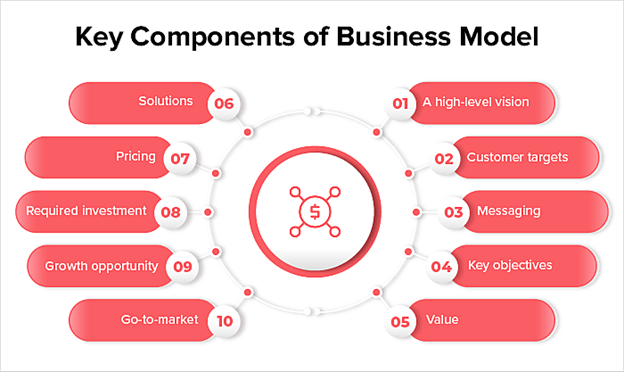
In today’s fast-evolving digital era, technology driven business models are reshaping how companies operate, compete, and deliver value. From AI-powered platforms to blockchain-based ecosystems, innovation is no longer optional—it’s essential for survival.
1. Understanding Technology Driven Business Models
At its core, a technology driven business model leverages digital tools, platforms, and innovations to create, deliver, and capture value in ways traditional models cannot. These models are not just about using software or automation—they represent a fundamental shift in how businesses think about scalability, customer engagement, and operational efficiency.
What Defines a Technology Driven Business Model?
A true technology driven business model integrates technology into the very DNA of the organization. It’s not merely adopting a CRM system or launching an e-commerce site; it’s about reimagining the entire value chain through a technological lens.
- Relies on data as a primary asset
- Uses algorithms and automation for decision-making
- Enables rapid scaling with minimal incremental cost
- Focuses on platform-based or networked value creation
“The future belongs to those who see possibilities before they become obvious.” — John Sculley, former CEO of Apple
Key Components of Modern Tech-Driven Models
Several foundational elements make these models work. First is scalability—the ability to grow without proportional increases in cost. Second is data intelligence, where real-time analytics drive personalization and optimization. Third is platform architecture, allowing third-party developers, partners, or users to co-create value.
For example, Uber doesn’t own cars, and Airbnb doesn’t own properties, yet both dominate their markets by leveraging technology to connect supply and demand efficiently. This is the power of technology driven business models—they unlock assets without owning them.
2. The Rise of Platform-Based Models
One of the most dominant forms of technology driven business models is the platform model. Platforms act as digital marketplaces that connect producers and consumers, enabling transactions, interactions, and value exchange.
How Platforms Create Network Effects
Network effects are the engine behind platform success. As more users join, the platform becomes more valuable to everyone. This creates a self-reinforcing cycle of growth. For instance, the more sellers on Amazon, the more attractive it becomes to buyers, which in turn attracts more sellers.
According to a Harvard Business Review study, platform companies now dominate the top 10 global firms by market cap, including Apple, Microsoft, and Alphabet.
Types of Platform Models
There are several variations of platform-based technology driven business models:
- Transaction Platforms: Facilitate exchanges (e.g., eBay, Uber)
- Innovation Platforms: Provide tools for third-party development (e.g., iOS, Android)
- Hybrid Platforms: Combine multiple functions (e.g., Amazon, which integrates retail, cloud, and developer services)
Each type leverages APIs, cloud infrastructure, and data analytics to maintain control while enabling external participation.
3. Subscription and SaaS Models: Predictable Revenue Through Tech
Subscription-based models have become a hallmark of technology driven business models, especially in software (SaaS), media, and even physical goods. Instead of one-time purchases, customers pay recurring fees for continuous access.
The Power of Recurring Revenue
For businesses, subscriptions offer predictable cash flow, higher customer lifetime value (LTV), and deeper engagement. Companies like Netflix, Spotify, and Salesforce have proven that recurring revenue can outperform traditional sales models.
A McKinsey report found that subscription-based companies grew revenues five times faster than S&P 500 firms between 2011 and 2016.
How SaaS Optimizes Technology Driven Business Models
SaaS (Software as a Service) is perhaps the purest form of a technology driven business model. It eliminates the need for on-premise software, reduces IT overhead, and enables continuous updates and improvements.
Key advantages include:
- Automatic scaling based on user demand
- Real-time usage analytics for product improvement
- Global reach with minimal distribution cost
Companies like Zoom and Slack exploded during the pandemic because their SaaS models allowed instant deployment and remote collaboration.
4. Data-Centric Business Models: Monetizing Information
In the digital economy, data is the new oil. Technology driven business models increasingly rely on collecting, analyzing, and monetizing data to create competitive advantage.
From Data Collection to Value Creation
Every click, search, and interaction generates data. Companies like Google and Facebook use this data to refine advertising algorithms, personalize content, and predict user behavior.
But it’s not just tech giants. Retailers use purchase history to recommend products, healthcare providers analyze patient data for better outcomes, and insurers use telematics to price policies dynamically.
Monetization Strategies in Data-Driven Models
There are several ways companies monetize data within technology driven business models:
- Direct Monetization: Selling anonymized data to third parties (e.g., location data to urban planners)
- Indirect Monetization: Using data to improve services and increase retention (e.g., Netflix’s recommendation engine)
- Hybrid Models: Offering free services in exchange for data, then monetizing through ads or premium tiers
“If you’re not paying for the product, you are the product.” — The Economist
5. On-Demand and Gig Economy Models
The gig economy, powered by mobile apps and real-time matching algorithms, is a prime example of technology driven business models disrupting traditional labor markets.
How Technology Enables Instant Matching
Platforms like Uber, DoorDash, and Fiverr use GPS, machine learning, and dynamic pricing to match service providers with customers in real time. This reduces friction, increases efficiency, and creates new income opportunities.
According to Pew Research Center, 16% of Americans have earned money through an online gig platform.
Challenges and Ethical Considerations
While these models offer flexibility, they also raise concerns about worker rights, job security, and algorithmic bias. Many gig workers lack benefits, and platforms often face regulatory scrutiny.
However, new models are emerging—like cooperatively owned platforms (e.g., Stocksy United)—that aim to balance efficiency with fairness.
6. Blockchain and Decentralized Business Models
Blockchain technology is enabling a new wave of decentralized technology driven business models that challenge centralized intermediaries.
From Centralized to Decentralized Trust
Traditional models rely on trusted third parties (banks, governments, platforms). Blockchain replaces this with cryptographic verification and distributed ledgers, enabling peer-to-peer transactions without intermediaries.
For example, DeFi (Decentralized Finance) platforms like Aave and Uniswap allow lending and trading without banks.
DAOs and Community-Owned Enterprises
Decentralized Autonomous Organizations (DAOs) are a radical evolution of technology driven business models. Governed by smart contracts and member voting, DAOs operate without traditional hierarchies.
Examples include MakerDAO, which manages the DAI stablecoin, and Friends With Benefits, a social DAO. These models redistribute power and profits to participants, aligning incentives in novel ways.
7. AI and Automation-First Business Models
Artificial Intelligence is no longer a supporting tool—it’s becoming the foundation of entire business models. AI-first companies design their operations around machine learning from day one.
AI as the Core of Product and Service Delivery
Companies like Grammarly, Jasper, and Midjourney use AI to generate content, correct language, or create images. Their entire value proposition is built on algorithmic intelligence.
These models thrive on feedback loops: the more users interact, the smarter the AI becomes, creating a moat against competitors.
Automation in Operations and Customer Experience
Behind the scenes, AI automates customer support (chatbots), supply chain logistics, fraud detection, and HR processes. This reduces costs and improves speed and accuracy.
For example, Amazon uses AI-powered robots in warehouses to optimize inventory movement, reducing delivery times and operational costs.
8. Hybrid and Ecosystem-Based Models
The most powerful technology driven business models don’t rely on a single approach—they integrate multiple models into cohesive ecosystems.
Apple’s Ecosystem: Hardware, Software, and Services
Apple combines iPhone hardware, iOS software, App Store, iCloud, and services like Apple Music into a seamless ecosystem. Once users enter, switching costs are high, creating strong retention.
This integration allows Apple to capture value across multiple touchpoints, not just from device sales.
Amazon’s Multi-Layered Tech Empire
Amazon is perhaps the most complex example of a technology driven business model. It includes:
- E-commerce marketplace
- Amazon Web Services (AWS)
- Logistics and fulfillment network
- AI-powered recommendations and Alexa
- Content production (Prime Video)
Each layer reinforces the others, creating a defensible, scalable, and highly profitable ecosystem.
9. Sustainability and Ethical Tech-Driven Models
As technology driven business models grow, so does scrutiny over their social and environmental impact. Sustainable and ethical models are emerging as a response.
Green Tech and Circular Economy Models
Companies like Tesla and Patagonia use technology to promote sustainability. Tesla’s electric vehicles and energy storage systems reduce carbon emissions, while Patagonia uses blockchain to track supply chain transparency.
These models prove that profitability and responsibility can coexist.
Privacy-First and Ethical Data Use
In response to data abuse scandals, some companies are adopting privacy-first models. Apple, for instance, emphasizes on-device processing and minimal data collection.
Similarly, Brave Browser rewards users with cryptocurrency for viewing ads, giving them control over their data—a stark contrast to traditional surveillance capitalism.
10. Future Trends in Technology Driven Business Models
The evolution of technology driven business models is far from over. Emerging technologies will continue to reshape how value is created and captured.
The Metaverse and Virtual Economies
With companies like Meta and Microsoft investing heavily in the metaverse, virtual worlds are becoming new frontiers for commerce. Digital fashion, virtual real estate, and NFT-based ownership are creating entirely new revenue streams.
For example, Decentraland allows users to buy, sell, and develop virtual land using cryptocurrency.
Quantum Computing and Next-Gen Optimization
While still in early stages, quantum computing could revolutionize logistics, drug discovery, and financial modeling. Companies that integrate quantum algorithms may gain unprecedented competitive advantages.
AI Regulation and Responsible Innovation
As AI becomes more pervasive, governments are introducing regulations (e.g., EU AI Act). Future technology driven business models will need to balance innovation with compliance, transparency, and fairness.
What are technology driven business models?
Technology driven business models are frameworks where digital technologies like AI, blockchain, cloud computing, and data analytics are central to creating, delivering, and capturing value. These models enable scalability, efficiency, and innovation beyond traditional business approaches.
How do platform models create value?
Platform models create value by connecting users (producers and consumers) and facilitating interactions. They benefit from network effects—where the platform becomes more valuable as more people use it—leading to rapid growth and market dominance.
What is the role of data in tech-driven models?
Data is a core asset in technology driven business models. It enables personalization, predictive analytics, automation, and new revenue streams. Companies use data to improve services, target customers, and optimize operations.
Are gig economy models sustainable?
While gig economy models offer flexibility and low barriers to entry, their long-term sustainability depends on addressing worker protections, fair pay, and regulatory compliance. New cooperative and hybrid models may offer more balanced alternatives.
How can businesses transition to tech-driven models?
Businesses can transition by investing in digital infrastructure, adopting cloud and AI tools, rethinking customer engagement, and fostering a culture of innovation. Starting with pilot projects and scaling based on data-driven insights is often the most effective approach.
The landscape of business is being redefined by technology driven business models. From platforms and subscriptions to AI and blockchain, these models offer unprecedented opportunities for growth, efficiency, and innovation. However, they also come with challenges—ethical concerns, regulatory scrutiny, and the need for continuous adaptation. The companies that thrive will be those that not only embrace technology but do so with purpose, responsibility, and a deep understanding of how to create sustainable value in the digital age.
Further Reading: